Introduction
Artificial Intelligence (AI) and modern technology are no longer concepts of the future—they are already transforming our daily lives. From smartphones and smart homes to healthcare and education, AI has become a powerful force shaping society. Organizations like OpenAI and Google are driving innovations that are changing how we live, work, and communicate.
The relationship between AI, technology, and society is deeply interconnected. As we move forward, it is essential to ensure that these advancements benefit humanity and create a more inclusive, ethical, and sustainable world.
The Rise of Artificial Intelligence
Artificial Intelligence refers to machines and software systems that can perform tasks requiring human intelligence, such as learning, reasoning, problem-solving, and decision-making. Technologies like machine learning, natural language processing, and computer vision are making AI smarter and more capable.
Today, AI is used in:
- Voice assistants like Siri and Alexa
- Recommendation systems on Netflix and YouTube
- Fraud detection in banking
- Autonomous vehicles
- Smart healthcare systems
Leaders such as Elon Musk and Sundar Pichai have highlighted both the potential and challenges of AI. This shows how important it is to balance innovation with responsibility.
How AI Is Transforming Society
1. Education Revolution
AI is reshaping education by making learning more personalized and accessible. Students can now learn at their own pace through intelligent tutoring systems and adaptive learning platforms.
Benefits include:
- Customized learning paths
- Instant feedback and assessment
- Online and virtual classrooms
- Language translation tools
In developing countries like Pakistan, AI-powered digital education can reduce gaps in access and quality.
2. Healthcare and Medical Advancements
AI is playing a major role in improving healthcare systems. It helps doctors detect diseases earlier, analyze medical data, and provide better treatment.
Examples:
- AI diagnosing cancer and heart diseases
- Robotic surgeries
- Drug discovery and research
- Telemedicine and remote patient monitoring
Institutions such as World Health Organization support the use of technology to improve global health outcomes.
3. Economic Growth and Jobs
Technology and AI are creating new job opportunities in:
- Data science
- Cybersecurity
- AI development
- Digital marketing
- Cloud computing
At the same time, automation is replacing repetitive jobs. Therefore, societies must focus on skill development and digital literacy to prepare future generations.
4. Smart Cities and Sustainable Development
AI and the Internet of Things (IoT) are making cities smarter and more efficient. Smart traffic systems, energy management, and pollution control are helping create sustainable urban environments.
Countries like Singapore are leading the way in smart city innovation.
Ethical Challenges and Social Impact
Despite its advantages, AI also brings serious challenges. These include:
- Privacy and data security
- Bias and discrimination in algorithms
- Job displacement
- Surveillance and misuse
- Digital divide
Experts such as Tim Berners-Lee emphasize the need for ethical and transparent technology.
Society must ensure that AI is:
- Fair and unbiased
- Transparent and accountable
- Safe and secure
- Inclusive and accessible
The Role of Governments and Policies
Governments play a crucial role in regulating AI and technology. Policies must focus on:
- Data protection
- Ethical AI standards
- Innovation and research
- Public awareness
- Workforce training
Global initiatives by organizations like United Nations aim to use AI for sustainable development goals.
Human and AI Collaboration
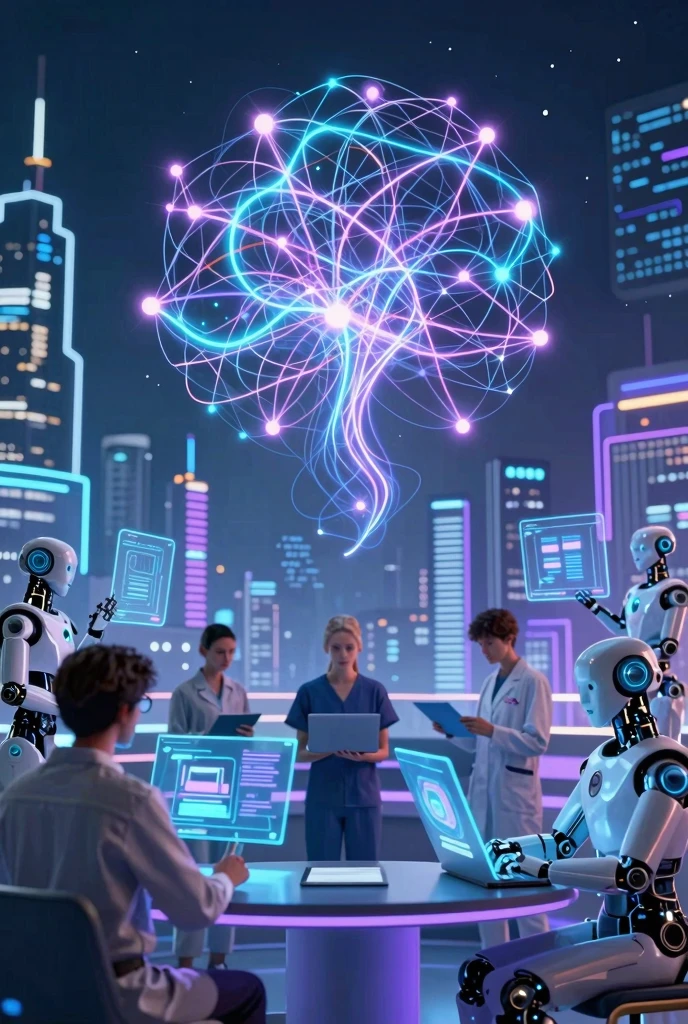
The future is not about humans versus machines. Instead, it is about collaboration. AI can enhance human capabilities rather than replace them.
For example:
- Doctors supported by AI tools
- Teachers using digital platforms
- Engineers designing smarter solutions
- Entrepreneurs building AI startups
This collaboration will lead to:
- Better productivity
- Creative innovation
- Improved quality of life
- Global connectivity
The Future of AI and Society
Looking ahead, AI will become even more powerful. Emerging trends include:
- Generative AI and creativity
- Autonomous systems
- Quantum computing
- Human-AI interaction
- Ethical and explainable AI
Countries and businesses investing in AI today will lead tomorrow’s world. However, the focus must remain on responsible development.
Conclusion
AI, technology, and society are shaping the future together. The key is to ensure that technological progress benefits everyone, not just a few. With the right policies, education, and ethical frameworks, AI can solve global challenges such as poverty, climate change, healthcare, and education.
The future is not something that happens to us—it is something we create. By working together, humans and intelligent machines can build a smarter, safer, and more sustainable world.
Final Thoughts for Tecnoskyler Readers
At Tecnoskyler, we believe that understanding AI and technology is essential for success in the digital age. Stay connected with us for the latest insights, trends, and innovations that will shape your future.